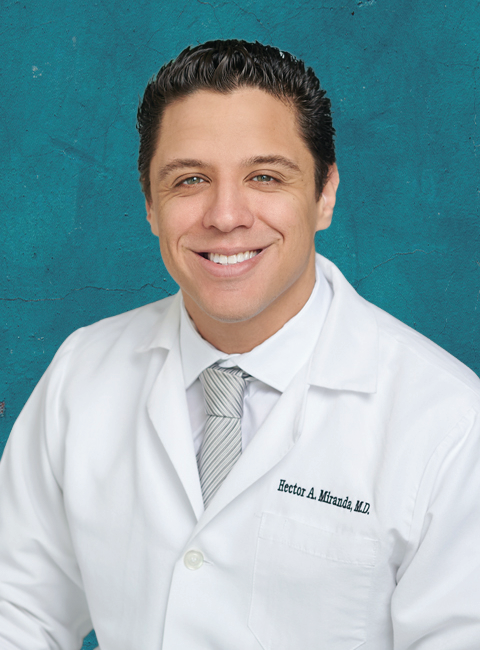
Hector Miranda, MD
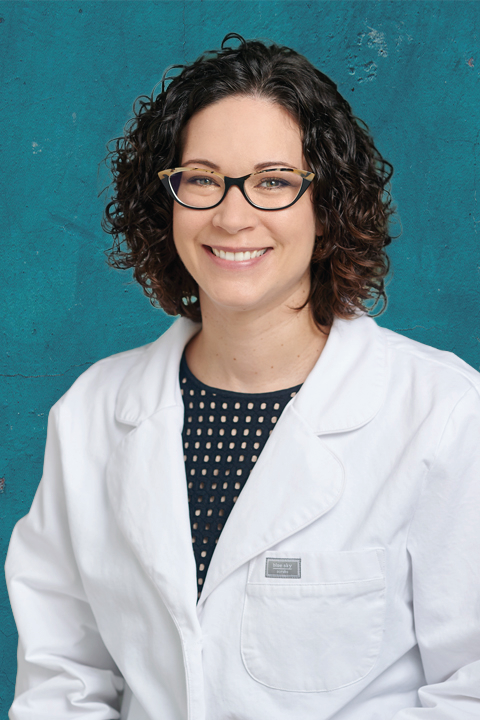
Valerie Rundle, MD
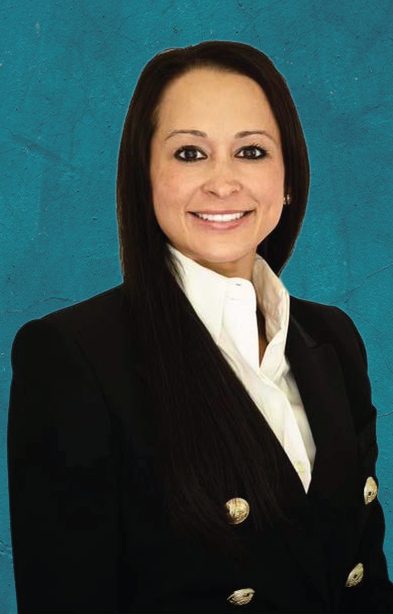
Christina Saldivar, MD
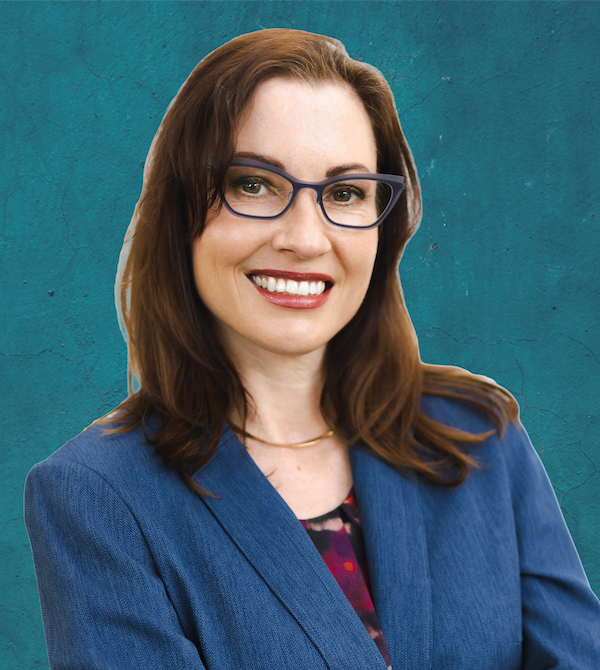
Kara Ayala, PhD, SLP, CCC-SLP, CBIS
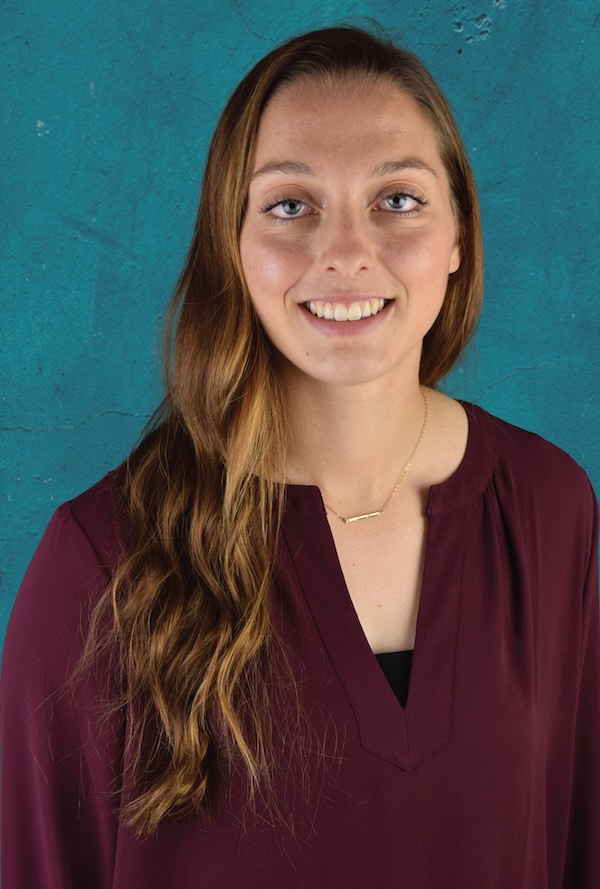
Hayley Moore, PT, DPT, CBIS
Hector Miranda, MD
Valerie Rundle, MD
Christina Saldivar, MD
Kara Ayala, PhD, SLP, CCC-SLP, CBIS
Hayley Moore, PT, DPT, CBIS
Our TBI Life Care Plans are multifaceted and MD authored. We assess the TBI patient from multiple angles and strive to address all the different manifestations of this disabling illness.
It is well established that a TBI can cause damage to the pituitary gland, also known as the master gland. An injury of this nature can cause deficiencies in growth hormone, cortisol, testosterone, estrogen, prolactin, and thyroid hormone. Possible symptoms from an injury to the pituitary gland include:
Growth Hormone and Cortisol deficiencies would be replaced in a TBI Life Care Plan.
Our team of doctors employs a comprehensive approach to clinically correlate brain MRI DTI abnormalities with documented brain damage. DTI metrics such as fractional anisotropy (FA) and mean diffusivity (MD) are considered to identify areas of disrupted white matter integrity, which can indicate axonal injury or demyelination. These imaging findings are then compared against the patient's clinical presentation, including neurological deficits, cognitive impairments, and functional limitations documented during examination. By looking at the anatomical location of DTI abnormalities to known neural pathways and their associated functions, our physicians can establish a connection between the structural damage observed on imaging and the patient's symptoms. This correlation process is further strengthened by reviewing the mechanism of injury, onset of symptoms, and longitudinal changes in both imaging findings and clinical status over time.
Our providers utilize conventional brain MRI sequences to identify structural abnormalities indicative of traumatic brain injury, including diffuse axonal injury (DAI), post-traumatic gliosis, hemosiderin deposition from prior hemorrhage, etc. DAI, often visualized as punctate lesions at gray-white matter junctions or within the corpus callosum and brainstem, is correlated with the patient's cognitive deficits, processing speed impairments, and executive dysfunction based on the affected neural structures. Hemosiderin staining, which represents the permanent residue of prior microhemorrhages, serves as objective imaging evidence of past traumatic insult and is mapped to corresponding neurological or behavioral symptoms. Areas of post-traumatic gliosis and encephalomalacia are evaluated in the context of their location and extent, allowing our physicians to explain deficits such as memory impairment, motor weakness, or personality changes. By integrating these MRI findings with the patient's documented clinical history and neurological examination, our team can establish a causal relationship between the structural brain damage and the patient's ongoing functional limitations.
Videonystagmography (VNG) is a tool used to objectively assess vestibular function and correlate abnormal findings with the patient's symptoms of dizziness, imbalance, and visual disturbances following brain injury. The VNG battery evaluates oculomotor function through saccade, smooth pursuit, and optokinetic testing, where abnormalities in these pathways can indicate central nervous system dysfunction involving the brainstem, cerebellum, cortical structures, and others. Positional testing components can help identify central vestibular pathology, with central findings such as direction-changing nystagmus or impaired fixation suppression pointing to damage within the brain itself. Our physicians correlate VNG abnormalities with the patient's reported symptoms—including vertigo, motion sensitivity, difficulty with visual tracking, balance deficits—to establish a connection between the documented vestibular dysfunction and functional impairment. By integrating VNG results with neuroimaging findings, clinical examination, and the mechanism of injury, our team can construct a comprehensive picture demonstrating how traumatic insult to vestibular processing centers in the brain can directly account for the patient's ongoing symptomatology.
Occipital nerve blocks are performed by injecting local anesthetic around the greater and lesser occipital nerves, which are located at the base of the skull in the posterior scalp region. The procedure involves palpating the occipital protuberance and identifying the nerves as they emerge approximately one-third of the distance along a line from the occipital protuberance to the mastoid process, where a small volume of medication is then deposited. The local anesthetic component provides pain relief by temporarily blocking nerve signal transmission. Occipital nerve blocks can be particularly effective for treating occipital neuralgia and certain migraine variants where the occipital nerves have become sensitized or irritated due to trauma or muscle tension. By interrupting the pain cycle and reducing peripheral nerve sensitization, these blocks can provide weeks to months of headache relief and serve as both a diagnostic tool to confirm nerve involvement and a therapeutic intervention. Occipital nerve blocks deliver medication directly to the site of pain generation, allowing for effective headache relief while minimizing systemic exposure and the associated side effects commonly seen with oral medications such as sedation, cognitive impairment, weight gain, and gastrointestinal disturbances. By reducing reliance on daily oral preventive medications and frequent use of acute pain relievers, nerve blocks help patients avoid the risk of medication overuse headache and the hepatic, renal, and cardiovascular strain that can accompany long-term oral drug therapy. This targeted interventional approach is particularly beneficial for patients who have experienced intolerable side effects from oral medications or who have contraindications to systemic therapies, offering an effective alternative that preserves quality of life while managing headache symptoms.
Botulinum toxin (Botox) is an FDA-approved treatment for chronic migraine, working by inhibiting the release of acetylcholine at neuromuscular junctions and blocking the release of pain-signaling neuropeptides such as CGRP, substance P, and glutamate from sensory nerve terminals. The treatment protocol involves injecting small amounts of Botox into 31 to 39 specific sites across seven head and neck muscle groups, including the frontalis, corrugator, procerus, temporalis, occipitalis, cervical paraspinal, and trapezius muscles. By reducing peripheral sensitization at these injection sites, Botox helps interrupt the cascade of events that leads to central sensitization and the perpetuation of chronic headache patterns. Patients typically begin to experience therapeutic benefit within two to three weeks following injection, with effects lasting approximately three months, necessitating repeat treatments to maintain headache control. Botox is particularly valuable for patients with chronic headaches, offering a well-tolerated alternative that can significantly reduce headache frequency, severity, and the need for acute pain medications. Botox injections provide localized treatment at specific neuromuscular sites in the head and neck, which significantly reduces the need for systemic preventive medications that often carry burdensome side effects including fatigue, mental fogginess, mood changes, and metabolic disruption. Patients who receive regular Botox treatments can report decreased dependence on acute rescue medications such as triptans and NSAIDs, thereby lowering their risk of rebound headaches and protecting against the cumulative organ stress associated with chronic analgesic use. For individuals who cannot tolerate conventional oral prophylactic agents due to drug interactions, pre-existing medical conditions, or prior adverse reactions, Botox offers a well-established therapeutic option that controls migraine frequency without introducing unwanted systemic complications.
Occipital peripheral nerve stimulation (PNS) involves the surgical implantation of small electrodes beneath the skin at the base of the skull, positioned along the course of the greater and lesser occipital nerves, which are then connected to a programmable pulse generator typically placed in the chest or buttock region. The device delivers controlled electrical impulses that modulate pain signal transmission through the gate control mechanism, effectively replacing the sensation of headache pain with a mild, tolerable tingling or paresthesia in the occipital region. This neuromodulation approach is particularly beneficial for patients suffering from medically refractory occipital neuralgia, posttraumatic headaches, and chronic migraines who have failed to achieve adequate relief from conservative treatments, medications, and less invasive interventional procedures. The stimulator settings can be adjusted non-invasively to optimize pain control as the patient's condition evolves, providing a customizable and reversible treatment option that does not permanently alter nerve structures. By offering sustained headache relief without the systemic side effects of chronic medication use or the irreversibility of ablative procedures, occipital PNS represents an advanced therapeutic solution that can restore function and improve quality of life in patients with otherwise intractable headache disorders.
Dr. Rundle and Dr. Saldivar are both board certified in neurology and brain injury medicine, bringing a rare dual expertise to their patient care. Their combined backgrounds span neuro critical care, stroke, traumatic brain injuries, movement disorders, Parkinson's disease, electrodiagnostics, etc., giving them an exceptionally broad clinical perspective. This diverse training allows them to approach complex neurological cases from multiple angles. Whether a patient presents with symptoms stemming from an acute brain injury or a progressive movement disorder, Dr. Rundle and Dr. Saldivar have the depth of knowledge to provide comprehensive evaluation and treatment. The combination of their subspecialty training bridges the gap between acute neurological emergencies and long-term management of chronic conditions. Both physicians are fully bilingual, fluent in Spanish and English, enabling them to communicate directly and effectively with a wider range of patients and families. Their ability to conduct consultations in a patient's preferred language helps ensure that nothing is lost in translation during critical medical discussions. This combination of subspecialty expertise and language capabilities makes Dr. Rundle and Dr. Saldivar uniquely equipped to serve diverse communities with sophisticated neurological needs.
Early detection of traumatic brain injury in children is critical because the developing brain is particularly vulnerable, and symptoms may manifest differently than in adults. Children with undiagnosed TBI often struggle with cognitive challenges such as memory deficits, attention difficulties, and slowed processing speed, which can significantly impact their academic performance and social development. Behavioral changes including irritability, impulsivity, and emotional dysregulation may also emerge, sometimes being mistaken for other conditions like ADHD or behavioral disorders. By identifying a TBI early, clinicians can implement targeted interventions that address these specific cognitive and behavioral deficits before they become entrenched patterns that are harder to correct. A comprehensive neurological evaluation provides families with a clear roadmap for therapies, educational accommodations, and support services that give children the best opportunity to recover and thrive.
Speech language pathology can play a vital role in the recovery of children who have sustained a traumatic brain injury, addressing communication and cognitive deficits that can profoundly affect daily functioning. Pediatric TBI patients often experience difficulties with expressive and receptive language, word retrieval, and the ability to organize and articulate their thoughts clearly. Beyond traditional speech concerns, speech language pathologists also target cognitive-communication skills such as attention, memory, problem-solving, and executive functioning that are essential for success in school and social settings. Early involvement of a speech language pathologist allows for individualized therapy that adapts to a child's developmental stage and specific injury-related challenges, maximizing their potential for recovery. By working collaboratively with neurologists, educators, and families, speech language pathologists can help pediatric TBI patients regain the communication skills they need to learn, connect with others, and participate fully in their lives.
Applied behavioral analysis can be an important component of rehabilitation for pediatric TBI patients, helping children overcome the behavioral challenges that often emerge following a brain injury. TBI can disrupt a child's ability to regulate emotions, control impulses, and respond appropriately to social situations, leading to behaviors such as aggression, tantrums, non-compliance, and difficulty transitioning between activities. ABA therapists use techniques to identify the triggers and functions behind these behaviors, then systematically teach children replacement behaviors and coping strategies that serve them better. This structured approach is particularly valuable for pediatric TBI patients because it breaks down complex skills into manageable steps, allowing children to relearn appropriate responses that their injury may have disrupted. By addressing maladaptive behaviors early and consistently, applied behavioral analysis helps children with TBI rebuild the self-regulation skills they need to succeed at home, in school, and within their communities.
Dr. Miranda's triple board certification in Physical Medicine & Rehabilitation, Pain Medicine, and Brain Injury Medicine positions him to provide comprehensive, multidimensional care for patients recovering from traumatic brain injury. His expertise in Physical Medicine & Rehabilitation allows him to address the functional impairments that often accompany TBI, developing individualized treatment plans that help patients regain strength, mobility, coordination, and independence in daily activities. This specialty focuses on restoring quality of life by maximizing each patient's physical capabilities and guiding them through the rehabilitation process from acute recovery to long-term management. His board certification in Pain Medicine is equally critical, as many TBI patients suffer from persistent headaches, neck pain, and other chronic pain conditions that can significantly impede their recovery and quality of life. By addressing pain through a variety of interventional and therapeutic approaches, Dr. Miranda ensures that discomfort does not become a barrier to participation in rehabilitation or return to normal function. His specialization in Brain Injury Medicine provides deep expertise in the unique neurological, cognitive, and behavioral consequences of TBI, allowing him to anticipate complications and coordinate appropriate therapies. The integration of these three disciplines means that Dr. Miranda can treat the whole patient rather than isolated symptoms, recognizing how physical limitations, pain, and brain injury interact with one another. This comprehensive approach enables him to create treatment plans that address a wide variety of aspects of TBI recovery and give patients a better opportunity to meet their daily challenges as a result of their brain damage.
Vestibular therapy is a specialized form of rehabilitation that addresses the dizziness, vertigo, and balance problems that frequently occur following a traumatic brain injury. TBI can disrupt the vestibular system, which is responsible for coordinating balance, spatial orientation, and eye movements, leaving patients feeling unsteady and struggling to perform everyday activities. Through targeted exercises and hands-on techniques, vestibular therapy retrains the brain to properly process balance signals, gradually reducing symptoms and restoring confidence in movement. Hayley Moore, PT, DPT brings exceptional skill and dedication to her vestibular therapy practice, carefully assessing each patient's unique deficits and designing customized treatment plans that address their specific needs. Her thorough, compassionate approach helps patients overcome debilitating dizziness and imbalance.
Cognitive therapy is very important for select adults recovering from traumatic brain injury, as TBI often disrupts critical mental functions such as memory, attention, executive functioning, and processing speed that are necessary for work, relationships, and independent living. Unlike children, adults with TBI face the challenge of returning to established careers, managing households, and maintaining complex responsibilities while coping with cognitive deficits they never experienced before their injury. Effective cognitive therapy helps patients develop compensatory strategies, rebuild cognitive skills, and adapt to changes in their mental abilities so they can resume meaningful participation in their daily lives. Kara Ayala, PhD, CCC-SLP brings an exceptional level of expertise to her cognitive assessments, utilizing comprehensive evaluations to identify the specific nature and extent of each patient's deficits following TBI. Her thorough diagnostic approach provides a clear picture of how the injury has affected cognition, which allows her to create targeted treatment plans tailored to each individual's needs and goals. With skill and compassion, Dr. Ayala guides her patients through the process of understanding their cognitive changes, teaching practical coping techniques that empower them to manage their impairments and reclaim their confidence and independence.
Adult Neurology, Movement Disorders, Brain Injury Medicine
Physical Medicine & Rehabilitation, Pain Medicine, Brain Injury Medicine
Neuromuscular Specialist, Neurohospitalist, Brain Injury Medicine
Speech Language Pathologist, Certified Brain Injury Specialist
Vestibular Therapist, Certified Brain Injury Specialist
We address the following conditions:
